Best Financial Habits To Get Approved For High Limit Credit Cards: Key Tips For Success

Starting with Best Financial Habits to Get Approved for High Limit Credit Cards, this introduction aims to provide an insightful glimpse into the world of credit card approvals and how your financial habits play a crucial role in securing high credit limits.
As we delve deeper into the realm of financial responsibility and creditworthiness, you’ll uncover valuable strategies to boost your chances of obtaining those coveted high limit credit cards.






Importance of Financial Habits
Maintaining good financial habits is crucial for managing your finances effectively and achieving financial stability. These habits not only impact your current financial situation but also play a significant role in determining your creditworthiness and credit card approvals.
Positive Impact on Credit Card Limits
Good financial habits can positively influence credit card limits by demonstrating to lenders that you are a responsible borrower. Some examples of financial habits that can help increase your chances of getting approved for high-limit credit cards include:
- Consistently paying bills on time: Paying your bills on time shows that you are reliable and can manage your finances responsibly.
- Keeping credit card balances low: Maintaining low credit card balances compared to your credit limit indicates that you are not overly reliant on credit.
- Avoiding unnecessary debt: Minimizing unnecessary debt and only borrowing what you can afford to repay demonstrates financial discipline.
- Regularly monitoring your credit report: Keeping track of your credit report helps you identify any errors or fraudulent activity that could negatively impact your credit score.
- Building a positive credit history: Establishing a history of responsible credit usage by using credit cards wisely can improve your creditworthiness over time.
Building a Strong Credit Score
Having a strong credit score is crucial when it comes to getting approved for high limit credit cards. Lenders use your credit score to assess your creditworthiness and determine the risk of lending you money.
Improving Credit Score Through Timely Payments
One of the key factors in building a strong credit score is making timely payments on your credit accounts. Payment history makes up a significant portion of your credit score, so paying your bills on time every month can have a positive impact.
- Avoid missing any payments to prevent negative marks on your credit report.
- Set up automatic payments or reminders to ensure you never miss a due date.
- Consider paying more than the minimum payment to reduce your overall debt and show responsible credit management.
Responsible Credit Utilization
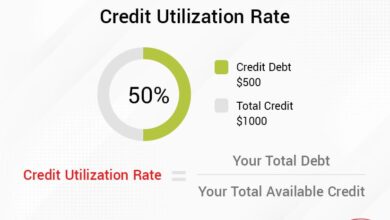
Another important factor in improving your credit score is responsible credit utilization. This refers to the amount of credit you are using compared to the total credit available to you.
- Try to keep your credit utilization ratio below 30% to demonstrate responsible borrowing behavior.
- Avoid maxing out your credit cards, as this can negatively impact your credit score.
- Consider requesting a credit limit increase to lower your utilization ratio, but be cautious not to increase your spending along with it.
Relationship Between Credit Score and Credit Card Limits
Your credit score plays a significant role in determining the credit limits you are offered on credit cards. Lenders are more likely to approve higher credit limits for individuals with strong credit scores, as they are seen as lower risk borrowers.
Having a high credit score can open doors to better credit card offers with higher limits, lower interest rates, and more favorable terms.
Managing Debt Responsibly
Managing debt responsibly is crucial when it comes to getting approved for high limit credit cards. Lenders assess your debt management habits to determine your creditworthiness and ability to handle additional credit responsibly.
Reducing Debt and Maintaining Healthy Debt-to-Income Ratio
Reducing debt and maintaining a healthy debt-to-income ratio are essential steps in managing your debt effectively. Here are some strategies to help you achieve this:
- Create a budget: Establish a budget to track your income and expenses, and allocate funds towards paying off your debts.
- Pay more than the minimum: Try to pay more than the minimum amount due on your debts each month to reduce the principal balance faster.
- Consolidate debts: Consider consolidating high-interest debts into a lower-interest loan to make repayment more manageable.
- Avoid new debt: Refrain from taking on new debt while you work on paying off existing debts to prevent your debt from growing.
Impact of Debt Levels on Credit Card Limit Approvals
Your debt levels play a significant role in determining the credit limit you may be approved for on a credit card. Lenders consider your debt-to-income ratio and overall debt load to assess your ability to take on additional credit. Higher levels of debt may signal a higher risk to lenders, potentially resulting in lower credit limits or even denial of credit card applications.
Demonstrating Stable Income
Having a stable income is crucial when it comes to getting approved for high limit credit cards. Credit card issuers want to ensure that you have the means to repay any borrowed funds, and a stable income is a key indicator of financial responsibility.
Showcasing Stable Income to Credit Card Issuers
- Provide recent pay stubs: Submitting your most recent pay stubs to credit card issuers can help demonstrate your stable income.
- Include bonus or commission income: If you receive additional income through bonuses or commissions, make sure to include this information as well.
- Letter from employer: A letter from your employer verifying your income can also be a valuable piece of documentation to showcase your financial stability.
Impact of Income Stability on Credit Limit Determinations
- Higher credit limits: Having a stable income can increase the likelihood of being approved for a higher credit limit, as credit card issuers are more confident in your ability to manage larger amounts of credit.
- Better interest rates: Demonstrating stable income can also lead to more favorable interest rates on your credit card, saving you money in the long run.
- Increased trust: Credit card issuers are more likely to trust borrowers with stable income, making them more inclined to offer higher credit limits and better terms.
Conclusive Thoughts
Concluding our exploration of Best Financial Habits to Get Approved for High Limit Credit Cards, remember that cultivating strong financial habits, maintaining a healthy credit score, managing debt wisely, and showcasing stable income are key pillars to unlock the door to high credit limits. By implementing these practices, you pave the way for a secure financial future and greater financial flexibility.