Best Income Strategies To Qualify For Bigger Credit Limits: Maximize Your Financial Potential

Diving into Best Income Strategies to Qualify for Bigger Credit Limits, this introduction immerses readers in a unique and compelling narrative. By exploring various income sources, budgeting techniques, debt-to-income ratios, credit score improvements, investment income strategies, and additional income streams, individuals can enhance their financial stability and creditworthiness.
Overview of Income Strategies
When it comes to qualifying for bigger credit limits, having a strong income is key. Lenders want to see that you have the means to repay any borrowed funds, which is why income plays a crucial role in credit limit decisions. Here are some income strategies that can help you increase your chances of qualifying for higher credit limits:






Different Income Sources
- Employment Income: This includes your salary or wages from a job and is typically the most common source of income for individuals.
- Side Hustles: Income from freelance work, consulting, or part-time jobs can also be considered when evaluating your overall income.
- Investment Income: Earnings from investments such as dividends, interest, or capital gains can demonstrate financial stability.
- Rental Income: If you own rental properties, the rental income you receive can contribute to your overall income.
Importance of a Stable Income
A stable income is important because it shows lenders that you have a consistent source of funds to make timely payments on your credit accounts. Lenders are more likely to approve higher credit limits for individuals with stable incomes as they are seen as less risky borrowers.
Maximizing Income for Creditworthiness
- Focus on Career Advancement: Increasing your income through promotions, raises, or career growth can strengthen your financial position.
- Diversify Income Streams: Having multiple sources of income can provide stability and increase your overall earning potential.
- Reduce Debt-to-Income Ratio: Paying down debt can free up more of your income for savings and investments, improving your creditworthiness.
- Regularly Review and Update Budget: Keeping track of your income and expenses can help you identify areas where you can cut costs or increase savings.
Budgeting and Expense Management
Budgeting and expense management play a crucial role in showcasing financial responsibility and improving creditworthiness. By effectively managing your expenses and sticking to a budget, you can free up more income to put towards savings and investments, ultimately leading to bigger credit limits and better financial opportunities.
Importance of Budgeting
Budgeting is the foundation of financial stability and success. It helps you track your income and expenses, identify areas where you can cut back, and allocate funds towards your financial goals. By creating and following a budget, you demonstrate to lenders that you are responsible and capable of managing your finances effectively.
Strategies for Effective Expense Management
- Track your expenses: Keep a detailed record of all your expenses to identify where your money is going.
- Set spending limits: Establish limits for different categories of expenses to avoid overspending.
- Cut unnecessary costs: Review your expenses regularly and eliminate any unnecessary or frivolous spending.
- Use cash or debit: Consider using cash or debit cards for purchases to prevent overspending with credit cards.
Impact of Well-Managed Budget on Credit Limit Approvals
A well-managed budget not only helps you control your spending but also shows lenders that you are financially responsible. When applying for a credit limit increase, lenders are more likely to approve your request if they see that you have a solid budgeting plan in place and are consistently managing your expenses within your means.
Debt-to-Income Ratio
Understanding the concept of debt-to-income ratio is crucial in managing your finances effectively and improving your creditworthiness. This ratio is a key factor that lenders consider when making credit decisions.
Lowering Debt-to-Income Ratio
Lowering your debt-to-income ratio can significantly increase your chances of qualifying for bigger credit limits. Here are some strategies to help you reduce this ratio:
- Avoid taking on new debt
- Pay off existing debts
- Increase your income through additional sources
- Create a budget and stick to it
Ideal Debt-to-Income Ratio Range
For optimal creditworthiness, it is recommended to maintain a debt-to-income ratio below 36%. This shows lenders that you have a healthy balance between your income and debt obligations, making you a more attractive borrower.
Credit Score Improvement
Improving your credit score is crucial when aiming for higher credit limits. Lenders often use credit scores as a key factor in determining credit limits, as it reflects your creditworthiness and ability to manage debt responsibly.
Strategies to Boost Credit Score
- Make timely payments: Paying your bills on time is one of the most effective ways to improve your credit score. Late payments can significantly impact your score negatively.
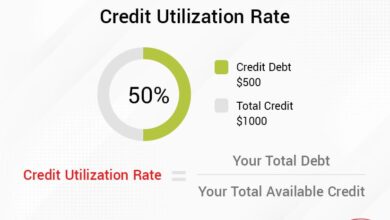
- Manage credit utilization: Keep your credit card balances low in relation to your credit limit. Aim to use no more than 30% of your available credit to show responsible credit usage.
- Monitor your credit report: Regularly check your credit report for any errors or inaccuracies that could be dragging down your score. Dispute any discrepancies to ensure your score is accurate.
Impact of Good Credit Score on Credit Limit Approval
A good credit score can greatly increase your chances of getting approved for higher credit limits. Lenders view borrowers with good credit scores as less risky, making them more likely to extend higher credit limits. With a good credit score, you demonstrate a history of responsible credit management, which can lead to better credit limit offers and terms.
Investment Income Strategies
Investment income can be a valuable supplement to regular income when trying to qualify for bigger credit limits. By exploring different investment options, individuals can enhance their overall financial stability and potentially increase their creditworthiness.
Risks and Benefits of Using Investment Income
When considering investment income for credit limit purposes, it’s important to weigh the risks and benefits involved. While investment income can provide an additional source of funds, it also comes with risks such as market volatility and potential losses. On the other hand, the benefits include the potential for higher returns and diversification of income sources.
- Benefits of Using Investment Income:
- Diversification of Income Sources
- Potential for Higher Returns
- Opportunity for Long-Term Growth
- Risks of Using Investment Income:
- Market Volatility
- Potential Losses
- Uncertainty in Returns
It’s essential to carefully assess the risks and benefits of using investment income to qualify for bigger credit limits and ensure it aligns with your financial goals and risk tolerance.
Enhancing Financial Stability with Investment Strategies
Investment strategies can play a significant role in enhancing overall financial stability and creditworthiness. By building a diversified investment portfolio and focusing on long-term growth, individuals can create a solid financial foundation that supports their credit profile.
| Investment Strategies for Financial Stability | Description |
|---|---|
| Asset Allocation | Diversifying investments across different asset classes to reduce risk. |
| Regular Monitoring | Keeping track of investment performance and making adjustments as needed. |
| Professional Advice | Seeking guidance from financial advisors to make informed investment decisions. |
Side Hustles and Additional Income Streams
Side hustles and additional income streams play a crucial role in increasing overall income and diversifying revenue sources, which can positively impact credit limit qualifications. By exploring different opportunities for earning extra money, individuals can enhance their financial stability and improve their chances of securing higher credit limits.
Examples of Side Hustles and Gig Opportunities
- Freelance writing or graphic design
- Ridesharing or food delivery services
- Renting out a room on Airbnb
- Virtual assistant services
- Photography or videography gigs
Role of Additional Income Streams in Diversifying Income Sources
Having multiple income streams reduces dependency on a single source and provides a safety net in case of unexpected financial challenges.
By incorporating side hustles and additional income streams, individuals can create a more robust financial portfolio, which can reflect positively on their creditworthiness and increase their chances of qualifying for bigger credit limits.
Tips on Balancing Multiple Income Streams Effectively
- Create a schedule to allocate time for each income-generating activity.
- Set specific financial goals for each stream to track progress effectively.
- Automate payments and savings to manage multiple income sources efficiently.
- Regularly review and assess the performance of each income stream to make necessary adjustments.
- Seek mentorship or guidance from experienced individuals in managing multiple income streams.
Last Recap
In conclusion, mastering the best income strategies is key to unlocking bigger credit limits. By implementing the tips and techniques discussed, individuals can pave the way for financial success and improved creditworthiness.