Delving into Best Strategies to Build Credit History for Large Credit Limits, this introduction immerses readers in a unique and compelling narrative that explores the key aspects of establishing a solid credit history for attaining substantial credit limits.
From understanding the importance of credit history to implementing best practices and diversifying credit accounts, this guide covers essential strategies for enhancing creditworthiness and maximizing credit limits.






Understanding Credit History
Having a good credit history is crucial when it comes to obtaining large credit limits. Lenders use your credit history to assess your creditworthiness and determine the amount of credit they are willing to extend to you.
Key Factors in Building a Strong Credit History
- Make timely payments: Paying your bills on time is one of the most important factors in building a strong credit history. Late payments can have a negative impact on your credit score.
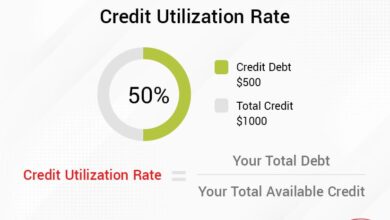
- Keep credit card balances low: Maintaining low credit card balances relative to your credit limit shows responsible credit management and can improve your credit score.
- Limit new credit applications: Opening multiple new credit accounts in a short period of time can be seen as risky behavior and may lower your credit score.
- Monitor your credit report: Regularly checking your credit report can help you identify any errors or fraudulent activity that could be impacting your credit history.
Impact of Credit History on Credit Limit Approvals
Your credit history plays a significant role in the approval process for large credit limits. Lenders are more likely to approve higher credit limits for individuals with a strong credit history, as it demonstrates a track record of responsible credit management and repayment.
Best Practices for Building Credit History
Building a strong credit history is essential for securing large credit limits. By following the best practices below, you can establish a positive credit profile and increase your chances of accessing higher credit limits in the future.
Responsible Credit Card Management
When it comes to building credit history, responsible credit card management is key. Make sure to:
- Only apply for credit cards that you need and can manage responsibly.
- Keep your credit card balances low and pay them off in full each month.
- Avoid maxing out your credit cards, as this can negatively impact your credit utilization ratio.
Importance of On-Time Payments
Making on-time payments is crucial for building a positive credit history. Late payments can significantly harm your credit score, so be sure to:
- Set up automatic payments or reminders to ensure you never miss a payment deadline.
- Pay at least the minimum amount due on time to avoid penalties and negative marks on your credit report.
- Consistently making on-time payments demonstrates to lenders that you are a responsible borrower.
Credit Utilization and Building Credit History
Credit utilization plays a significant role in building a positive credit history. To optimize your credit utilization ratio, consider the following:
- Try to keep your credit card balances below 30% of your total credit limit.
- Avoid closing old credit accounts, as this can reduce your available credit and potentially increase your credit utilization ratio.
- Regularly monitor your credit utilization ratio and make adjustments as needed to maintain a healthy credit profile.
Diversifying Credit Accounts
Having a variety of credit accounts is crucial for building a strong credit history. It shows lenders that you can manage different types of credit responsibly, which can ultimately lead to higher credit limits and better loan terms.
Types of Credit Accounts to Diversify
- Credit Cards: Revolving credit accounts that allow you to borrow up to a certain limit and pay off the balance over time.
- Installment Loans: Fixed-term loans with regular payments, such as auto loans, mortgages, or personal loans.
- Retail Accounts: Credit accounts offered by specific retailers or stores for purchases.
Diversifying your credit accounts can benefit your credit history in various ways. It shows that you can handle different types of credit responsibly and can improve your credit mix, which accounts for 10% of your FICO credit score. Additionally, having a mix of credit accounts can help demonstrate to lenders that you can manage various financial obligations simultaneously, increasing your creditworthiness and potentially leading to higher credit limits.
Limiting Credit Inquiries
When it comes to building credit history and aiming for large credit limits, it’s essential to understand the impact of multiple credit inquiries. Credit inquiries are recorded on your credit report every time a lender checks your credit when you apply for new credit. These inquiries can have a negative impact on your credit score and may signal to lenders that you are taking on too much debt or are in financial distress.
Impact of Multiple Credit Inquiries
- Each hard credit inquiry can lower your credit score by a few points, which can add up if you have multiple inquiries within a short period.
- Having too many inquiries on your credit report can make you appear risky to lenders, potentially leading to higher interest rates or even denial of credit.
- Hard inquiries stay on your credit report for up to two years, although they only affect your credit score for the first year.
Strategies to Minimize Credit Inquiries
- Be selective about applying for credit and only apply for credit cards or loans that you genuinely need.
- Consider pre-qualification offers that allow you to see if you are likely to be approved without a hard inquiry affecting your credit.
- Avoid applying for multiple credit cards or loans within a short period to prevent multiple hard inquiries from appearing on your credit report.
Reducing Credit Inquiries for Higher Credit Limits
- By limiting credit inquiries, you can maintain a healthier credit score, which can lead to better credit offers and higher credit limits.
- Lenders are more likely to extend higher credit limits to individuals with strong credit profiles and fewer inquiries, as they are seen as lower risk borrowers.
- Having a clean credit report with minimal inquiries can signal to lenders that you are responsible with credit and are more likely to handle larger credit limits responsibly.
Monitoring Credit Score Regularly
Regularly monitoring your credit score is crucial when it comes to building a strong credit history. By keeping a close eye on your credit score, you can track your progress, identify any errors or fraudulent activity, and make adjustments to improve your credit health over time.
Tools and Methods for Tracking Credit Score Changes
- Utilize free credit monitoring services offered by credit bureaus like Equifax, Experian, and TransUnion.
- Sign up for credit monitoring services through financial institutions or third-party websites.
- Monitor your credit score through credit card apps or online banking platforms that offer free credit score tracking.
How Regular Monitoring Can Help in Achieving Larger Credit Limits
Regularly monitoring your credit score allows you to have a clear understanding of where you stand financially. As you work on improving your credit history by making timely payments and maintaining low credit utilization, you can see the positive impact on your credit score. This, in turn, can help you qualify for larger credit limits as lenders and credit card companies view you as a responsible borrower with a good credit history.
Final Thoughts
As we conclude our exploration of the Best Strategies to Build Credit History for Large Credit Limits, it becomes evident that a proactive approach to credit management is crucial for unlocking greater financial opportunities and securing favorable credit terms. By incorporating these strategies into your financial planning, you can pave the way for a stronger credit profile and increased access to credit resources.