With Best Ways to Improve Credit Profile for High Limit Approval at the forefront, this guide unlocks essential strategies to boost your credit profile for higher limit approvals. From understanding credit profiles to managing credit utilization, this comprehensive overview offers key insights to elevate your financial health.
Understanding Credit Profile Improvement
A credit profile is a record of an individual’s or company’s credit history, including their borrowing and repayment activities. It is important because it provides lenders with an overview of the borrower’s financial behavior and helps them determine the level of risk associated with lending money.






A good credit profile can lead to high credit limit approvals because it indicates to lenders that the borrower is responsible and likely to repay debts on time. This reduces the lender’s risk and increases the likelihood of being approved for higher credit limits.
Factors Contributing to a Strong Credit Profile
- Payment History: Timely payments on debts and bills demonstrate reliability and financial responsibility.
- Credit Utilization: Keeping credit card balances low relative to credit limits shows responsible credit management.
- Length of Credit History: A longer credit history provides more data for lenders to assess creditworthiness.
- Credit Mix: Having a diverse mix of credit types (e.g., credit cards, loans) can positively impact a credit profile.
- New Credit: Opening multiple new credit accounts in a short period can signal financial distress and impact credit scores negatively.
Reviewing Credit Reports
Regularly reviewing your credit reports is crucial in maintaining a healthy credit profile and ensuring high limit approval. It allows you to monitor your financial standing, identify any errors, and take necessary steps to improve your credit score.
Obtaining Credit Reports
You can obtain a free copy of your credit report from each of the major credit bureaus – Equifax, Experian, and TransUnion – once a year through AnnualCreditReport.com. You can also access your credit report through various credit monitoring services or directly from the credit bureaus’ websites.
Reviewing Credit Reports
- Check for any inaccuracies, such as incorrect personal information, accounts that do not belong to you, or inaccurate account statuses.
- Review the list of accounts and ensure that all open and closed accounts are reported correctly.
- Look for any late payments, collections, or other negative marks that may be impacting your credit score.
Identifying Errors
If you identify any errors or discrepancies on your credit report, such as incorrect account information or fraudulent activity, you should dispute these errors with the credit bureaus. This can be done through a formal dispute process where you provide supporting documentation to prove the inaccuracies on your report.
Managing Credit Utilization
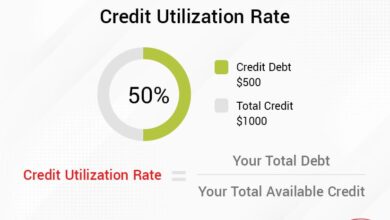
Credit utilization refers to the percentage of your available credit that you are currently using. It plays a significant role in determining your credit score, as it reflects how responsibly you manage your credit accounts. A lower credit utilization ratio indicates that you are using a smaller portion of your available credit, which is seen as positive by creditors and can boost your creditworthiness.
Strategies to Lower Credit Utilization Ratio
- Avoid maxing out your credit cards: Try to keep your credit card balances well below the credit limit to maintain a low credit utilization ratio.
- Pay off balances in full: Aim to pay off your credit card balances in full each month to prevent carrying over debt and accumulating interest.
- Increase credit limits: Contact your credit card issuers to inquire about raising your credit limits, which can help reduce your credit utilization ratio if done responsibly.
- Spread out purchases: Instead of making large purchases on one card, consider spreading them out across multiple cards to keep individual credit utilization ratios low.
Benefits of Lowering Credit Utilization
Lowering your credit utilization can have a positive impact on your credit profile and increase your chances of high limit approval. By maintaining a low credit utilization ratio, you demonstrate to lenders that you can manage credit responsibly and are not overly reliant on credit. This can lead to improved creditworthiness and potentially result in higher credit limits being offered to you in the future.
Making On-Time Payments
Making on-time payments is crucial for improving your credit profile and increasing your chances of high limit approval. Timely payments show lenders that you are responsible and reliable when it comes to managing your finances.
Setting up Payment Reminders
- Utilize automatic payment options offered by your bank or credit card issuer to ensure payments are made on time.
- Set up reminders on your phone or calendar to alert you of upcoming due dates.
- Consider enrolling in email or text alerts from your creditors to stay informed about payment deadlines.
Boosting Credit Score with On-Time Payments
Consistently making on-time payments can have a significant positive impact on your credit score. It demonstrates your creditworthiness and financial responsibility to potential lenders, leading to a higher credit score over time.
Diversifying Credit Mix
When it comes to improving your credit profile, one key factor to consider is diversifying your credit mix. This refers to having a variety of different types of credit accounts in your name, which can positively impact your creditworthiness.
Having a diverse credit portfolio shows lenders that you can responsibly manage different types of credit, such as revolving credit (credit cards) and installment loans (mortgages, auto loans). This can help demonstrate your ability to handle various financial responsibilities effectively.
Benefits of Diversifying Credit Mix
- Demonstrates financial responsibility across different credit types.
- Improves credit score by showing a well-rounded credit history.
- Increases creditworthiness and likelihood of high limit approval.
Types of Credit Accounts to Include
- Credit Cards: Revolving credit accounts that can help build a positive payment history.
- Installment Loans: Such as mortgages or auto loans, showing ability to manage long-term debts.
- Retail Accounts: Store credit cards can add variety to your credit mix.
- Personal Loans: Unsecured loans that can diversify your credit profile.
Avoiding Opening Too Many Accounts
Opening multiple credit accounts can be tempting, especially when trying to improve your credit profile. However, it comes with risks that can negatively impact your credit score if not managed properly.
Risks Associated with Opening Multiple Credit Accounts
- Increased risk of overspending: Having access to multiple credit accounts may lead to overspending, which can result in higher debt levels and lower credit scores.
- Hard inquiries on your credit report: Each time you apply for a new credit account, a hard inquiry is made on your credit report, which can temporarily lower your credit score.
- Impact on average age of accounts: Opening new accounts can lower the average age of your credit accounts, which may negatively impact your credit score.
Tips for Managing the Number of Credit Accounts Responsibly
- Consider your financial needs: Only open new credit accounts when necessary and avoid opening accounts just for the sake of it.
- Maintain a healthy credit utilization ratio: Keep your credit utilization low by using your existing credit accounts responsibly instead of opening new ones.
- Regularly review your credit report: Monitor your credit report for any errors or unauthorized accounts that may impact your credit score.
- Close unused accounts: If you have old or unused credit accounts, consider closing them to streamline your credit profile and reduce the risk of overspending.
Seeking Professional Credit Counseling
Seeking professional credit counseling can be a valuable step in improving your credit profile. Credit counselors are trained professionals who can provide personalized advice and strategies to help you manage your finances more effectively and work towards improving your credit score.
Role of Credit Counseling
Professional credit counseling services can assist you in understanding your current financial situation and identifying areas where you can make improvements. They can help you create a realistic budget, develop a repayment plan for outstanding debts, and provide guidance on how to build a positive credit history.
- Assessing your financial situation and identifying areas of improvement.
- Creating a realistic budget to manage your finances effectively.
- Developing a repayment plan for existing debts to improve credit score.
- Providing guidance on building a positive credit history.
Finding Reputable Credit Counseling Services
When looking for professional credit counseling services, it is important to do your research and choose a reputable organization. Look for non-profit agencies that are accredited by organizations such as the National Foundation for Credit Counseling (NFCC) or the Financial Counseling Association of America (FCAA). These organizations adhere to strict standards and can provide trustworthy advice to help you improve your credit profile.
- Research non-profit agencies accredited by NFCC or FCAA.
- Check for any complaints or reviews about the counseling service.
- Verify the credentials and experience of the credit counselors.
- Ensure transparency in fees and services provided by the agency.
Last Recap
By implementing these effective techniques, you can enhance your credit profile and increase your chances of securing high credit limits. Take control of your financial future today by following these best practices to achieve your desired credit goals.