How To Avoid Rejection When Applying For High Limit Credit Cards: Tips And Strategies

Starting with How to Avoid Rejection When Applying for High Limit Credit Cards, this introductory paragraph aims to grab the reader’s attention and provide a sneak peek into the world of high limit credit card applications.
Exploring the intricacies of credit scores, debt management, and card selection, this guide offers valuable insights for a successful application process.






Researching High Limit Credit Cards
When applying for high limit credit cards, it is crucial to conduct thorough research to find the best option that suits your financial needs and goals. Researching various high limit credit cards available in the market can help you make an informed decision and avoid potential rejection.
Importance of Research
- Research helps you understand the different high limit credit cards offered by various financial institutions.
- Allows you to compare interest rates, annual fees, rewards programs, and other features to choose the most suitable card.
- Enables you to find a high limit credit card that aligns with your spending habits and financial goals.
Where to Find Reliable Information
- Visit official websites of major banks and credit card issuers to explore their high limit credit card options.
- Read reviews and recommendations from financial experts and reputable websites specializing in credit card information.
- Utilize comparison websites that allow you to compare multiple high limit credit cards side by side.
Key Factors to Consider
- Interest Rates: Compare the APR of high limit credit cards to ensure you are getting a competitive rate.
- Annual Fees: Consider the annual fees associated with each card and evaluate if the benefits outweigh the costs.
- Rewards Programs: Look into the rewards offered by each high limit credit card, such as cashback, travel points, or bonus rewards.
- Credit Score Requirements: Check the minimum credit score needed to qualify for a high limit credit card and assess your eligibility.
Understanding Credit Score Requirements
Having a good credit score is crucial when applying for high limit credit cards as it plays a significant role in determining your eligibility for approval. Credit card issuers use credit scores to assess the risk of lending money to an individual, and higher credit scores typically indicate lower risk.
Credit Score Range for High Limit Credit Cards
- Credit scores above 700 are generally considered good and may qualify you for high limit credit cards.
- For the best chances of approval for high limit credit cards, aim for a credit score of 750 or above.
- Some premium credit cards may require even higher credit scores, such as 800 or above, for approval.
Strategies to Improve Credit Scores
- Pay your bills on time: Late payments can negatively impact your credit score, so make sure to pay your bills by the due date.
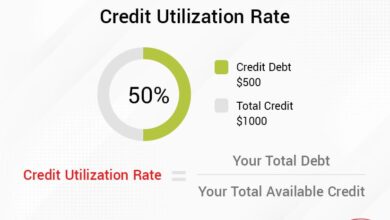
- Reduce credit card balances: High credit card balances relative to your credit limit can hurt your credit score. Aim to keep your credit utilization ratio below 30%.
- Monitor your credit report: Regularly check your credit report for errors and dispute any inaccuracies that could be dragging down your score.
- Avoid opening too many new accounts: Opening multiple new credit accounts in a short period can lower your average account age and negatively impact your credit score.
Managing Existing Debts
When it comes to applying for high limit credit cards, managing existing debts plays a crucial role in the approval process. Lenders consider your existing debt obligations to assess your ability to handle additional credit responsibly. Here are some key points to consider when managing existing debts:
Impact of Existing Debts
- Existing debts can negatively impact your credit score, which is a key factor in high limit credit card applications. High levels of debt can signal financial distress and make lenders hesitant to approve a high credit limit.
- A high debt-to-income ratio, which is the percentage of your monthly income that goes towards debt payments, can also reduce your chances of getting approved for a high limit credit card. Lenders prefer applicants with a lower debt-to-income ratio as it indicates better financial stability.
Suggestions for Managing Existing Debts
- Create a budget and prioritize paying off high-interest debts first to reduce overall debt burden.
- Consider debt consolidation to combine multiple debts into one lower interest loan for easier management.
- Negotiate with creditors to lower interest rates or set up a payment plan to make debts more manageable.
- Avoid taking on new debts while trying to pay off existing ones to prevent further financial strain.
Lower Debt-to-Income Ratio and Approval Chances
- A lower debt-to-income ratio can increase your chances of approval for high limit credit cards as it demonstrates your ability to manage debt responsibly.
- Lenders are more likely to approve applicants with a lower debt-to-income ratio as it indicates a lower risk of defaulting on payments.
- By reducing your existing debts and improving your debt-to-income ratio, you show lenders that you are financially stable and capable of handling a high credit limit responsibly.
Building a Strong Credit History
Building a strong credit history is crucial when applying for high limit credit cards. Lenders often look at your credit history to determine your creditworthiness and the level of risk involved in lending you a high credit limit. A positive credit history can significantly increase your chances of approval and help you secure better terms and interest rates.
Importance of Timely Bill Payments
- Timely bill payments are essential for building a positive credit history.
- Missing payments or paying late can have a negative impact on your credit score and overall creditworthiness.
- Consistently paying your bills on time demonstrates financial responsibility and shows lenders that you are a reliable borrower.
Responsible Credit Card Usage
- Using your credit cards responsibly by keeping your balances low and paying off your statement balance in full each month can help build a strong credit history.
- Avoid maxing out your credit cards or carrying high balances, as this can indicate financial instability to lenders.
- Regularly monitoring your credit card usage and staying within your credit limit shows that you can manage credit responsibly.
Avoiding Multiple Applications
When applying for high limit credit cards, it’s crucial to avoid submitting multiple applications as this can have a negative impact on your credit score. Each time you apply for a credit card, a hard inquiry is made on your credit report, which can lower your score. This is because multiple inquiries within a short period of time can signal to lenders that you are in financial distress or are a high-risk borrower.
Tips for Strategically Applying for High Limit Credit Cards
- Research and compare credit card offers to find the best fit for your financial situation before applying.
- Limit your applications to only one or two at a time to minimize the number of hard inquiries on your credit report.
- Consider pre-qualification options offered by credit card issuers to gauge your likelihood of approval without affecting your credit score.
- Wait at least six months between credit card applications to give your credit score time to recover from any previous inquiries.
Negative Impact of Multiple Hard Inquiries on Credit Reports
- Hard inquiries stay on your credit report for up to two years and can lower your credit score by a few points each.
- Lenders may view multiple inquiries as a sign of financial instability, leading to potential rejection of credit applications or higher interest rates.
- Having too many hard inquiries can make it harder to qualify for future credit and loans, impacting your overall financial health.
Choosing the Right Card for Your Needs
When it comes to applying for a high limit credit card, choosing the right card that aligns with your personal financial goals is crucial. By selecting a card that suits your individual spending habits and preferences, you can increase your approval chances and avoid rejection.
Importance of Aligning Features with Financial Goals
- Consider the rewards program offered by the credit card and whether it aligns with your spending habits. For example, if you frequently travel, a card that offers travel rewards may be beneficial.
- Look into the annual fees, interest rates, and additional benefits such as purchase protection or extended warranties to ensure they match your financial objectives.
- Evaluate the credit limit offered by the card and ensure it meets your needs without tempting you to overspend.
Tips for Selecting the Right Card
- Review your spending patterns to determine which categories you spend the most in, such as groceries, dining, or travel, and find a card that offers rewards in those areas.
- Consider your credit score and financial history to target cards that you are more likely to qualify for, reducing the risk of rejection.
- Compare the benefits and features of different high limit credit cards to find the one that best suits your lifestyle and financial goals.
Increasing Approval Chances and Avoiding Rejection
- Avoid applying for multiple high limit credit cards simultaneously, as this can signal desperation to lenders and lead to rejection.
- Ensure your credit utilization ratio is low and manage existing debts responsibly to demonstrate your ability to handle credit effectively.
- Choose a card that matches your credit score range to improve your chances of approval and avoid unnecessary denials.
Wrap-Up
In conclusion, mastering the art of navigating the high limit credit card landscape can significantly increase your chances of approval. By following the outlined strategies, you can approach your next credit card application with confidence and precision.