How to Build Credit Score to Unlock High Limit Credit Cards takes center stage, offering valuable insights into the world of credit scores and high-limit credit cards. This guide is designed to help you navigate the complexities of credit building with ease and confidence.
Understanding the nuances of credit scores and the strategies to improve them is crucial for unlocking high-limit credit cards and maximizing your financial opportunities.






Importance of Building Credit Score
Building a good credit score is crucial for unlocking high-limit credit cards as it directly impacts your financial opportunities. A high credit score can open doors to better interest rates, increased borrowing power, and access to premium credit card offers.
Financial Opportunities
- A high credit score can help you qualify for competitive interest rates on loans, saving you money in the long run.
- With a good credit score, you may be eligible for higher credit limits on credit cards, giving you more purchasing power.
- Having a strong credit score can make it easier to secure loans for major purchases like a home or car.
Long-Term Financial Health
- Maintaining a good credit score demonstrates responsible financial behavior, which can lead to better financial opportunities in the future.
- A good credit score can help you qualify for lower insurance premiums, saving you money on various insurance policies.
- By consistently building and maintaining a high credit score, you can establish a solid foundation for your financial future and achieve your long-term goals more easily.
Understanding Credit Scores
A credit score is a three-digit number that represents an individual’s creditworthiness based on their credit history. It is calculated by credit bureaus using a specific algorithm that takes into account various factors.
Factors that influence a credit score include:
Payment History
Payment history refers to how consistently you make on-time payments for your credit accounts. Late payments can negatively impact your credit score.
Credit Utilization
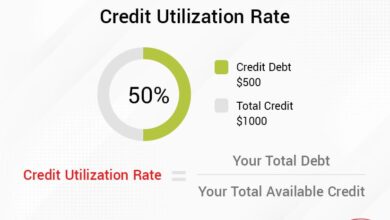
Credit utilization is the ratio of your credit card balances to your credit limits. Keeping this ratio low can have a positive effect on your credit score.
Length of Credit History
The length of your credit history is the amount of time your accounts have been open. A longer credit history can demonstrate responsible credit management.
New Credit
Opening multiple new credit accounts in a short period can be seen as risky behavior and may lower your credit score.
Types of Credit Used
Having a mix of credit types, such as credit cards, loans, and mortgages, can positively impact your credit score.
Credit scores typically range from 300 to 850, with higher scores indicating better creditworthiness. A good credit score is usually considered to be above 700, but lenders may have varying criteria for what they consider a good score.
Building Credit Score
Building a strong credit score is essential for unlocking high limit credit cards and accessing better financial opportunities. By following certain strategies and practices, you can improve your credit score over time and establish a solid credit history.
Strategies for Building Credit
- Make on-time payments: Paying your bills on time is crucial for demonstrating responsible credit behavior and avoiding negative marks on your credit report.
- Keep credit card balances low: Maintaining low credit card balances relative to your credit limit shows that you can manage credit responsibly and can positively impact your credit score.
- Avoid opening multiple accounts at once: Opening several new credit accounts in a short period can raise red flags for lenders and potentially lower your credit score.
Monitoring Credit Reports and Disputing Errors
It’s important to regularly monitor your credit reports to ensure the information is accurate. If you spot any errors or inaccuracies, you should dispute them with the credit bureaus to have them corrected. Keeping an eye on your credit reports can help you catch potential issues early and protect your credit score.
Tips for Using Credit Cards Responsibly
- Pay your credit card bill in full and on time every month to avoid interest charges and late payment fees.
- Avoid maxing out your credit cards and try to keep your credit utilization ratio below 30% to demonstrate responsible credit usage.
- Consider setting up automatic payments or reminders to ensure you never miss a payment and maintain a positive payment history.
Qualifying for High Limit Credit Cards
When it comes to qualifying for high-limit credit cards, credit card companies consider various factors to determine eligibility. A good credit score plays a significant role in this process as it reflects your creditworthiness and financial responsibility. Here are some key points to consider:
Criteria for High Limit Credit Cards
- Credit Score: Credit card companies typically look for applicants with a good to excellent credit score, usually above 700. A higher credit score indicates a lower credit risk for the issuer.
- Income Level: Your income level is also an essential factor. Higher income levels can increase your chances of qualifying for a high-limit credit card as it demonstrates your ability to repay the credit extended to you.
- Credit History: A positive credit history with a track record of making on-time payments and managing credit responsibly can improve your chances of getting approved for a high-limit credit card.
How Credit Score Affects Qualification
- A good credit score can significantly increase your likelihood of qualifying for high-limit credit cards. It reflects your creditworthiness and financial stability, making you a more attractive candidate to credit card issuers.
- With a high credit score, you may receive better interest rates, rewards, and benefits along with a higher credit limit, providing you with more purchasing power and financial flexibility.
Tips for Negotiating a Higher Credit Limit
- Request a Credit Limit Increase: Contact your credit card issuer and ask for a credit limit increase based on your improved credit score, income level, and responsible credit usage.
- Show Responsible Credit Behavior: Demonstrate responsible credit behavior by making on-time payments, keeping your credit utilization low, and managing your credit accounts wisely.
- Highlight Your Income: If your income has increased or you have additional sources of income, provide this information to your credit card issuer to support your request for a higher credit limit.
Ultimate Conclusion
In conclusion, building a solid credit score is the key to accessing high-limit credit cards and securing a stable financial future. By following the strategies outlined in this guide, you can take control of your credit health and open doors to exciting financial possibilities.